Warning: The following post contains discussions of harm, abuse, and death of innocent animals.
HBO’s Monsters of God is a five-part true-crime documentary series from A24 that explores the illegal, billion-dollar global trade of exotic reptile smuggling. Directed by Eric Goode, best known for his work on Tiger King and Chimp Crazy, the series follows outlaws, fanatical collectors, and federal agents over a span of 50 years as it slowly unravels the bizarre, often unhinged story of how a niche backyard hobby evolved into a sprawling international black market fueled by greed, obsession, and the demand for some of the world’s rarest reptiles.
During the course of the series, the colorful and often unbelievable characters behind the reptile trafficking trade prove that the truth is far stranger than fiction. From unscrupulous dealers who risk everything to supply rare animals to wealthy collectors to the surprising ties between reptile smuggling and international drug trafficking, Monsters of God exposes a secretive underworld where obsession and organized crime collide in increasingly shocking ways.
Here are a few of the most shocking details to emerge from the docuseries Monsters of God. Warning: Spoilers ahead for Season 1 Episode 1 of Monsters of God.

A24/Goode Films/HBO; HBO/YouTube
1. Two rival reptile dealers started a global criminal enterprise
At the center of the series are rival reptile dealers Tommy Crutchfield and Hank Molt, whose decades-long feud mirrors the rise of the illegal exotic animal trade. Once frenemies, the two became bitter competitors as they supplied rare and endangered reptiles to collectors and zoos. While Crutchfield rose from alligator shows to become a major dealer, Molt — also known as the “Godfather of Reptile Smuggling” — traveled the world capturing endangered species, helping turn a niche hobby into a billion-dollar criminal enterprise. Their story and rivalry laid the groundwork for the illegal reptile trade in America.
2. The strange life of Ed Celebucki
Like in any illegal trade, some people are used as mules to run product for those who sell it. And reptiles are no different. Molt explains in his talking head that it takes a “special kind” of person to do this, and Ed Celebucki was exactly that.
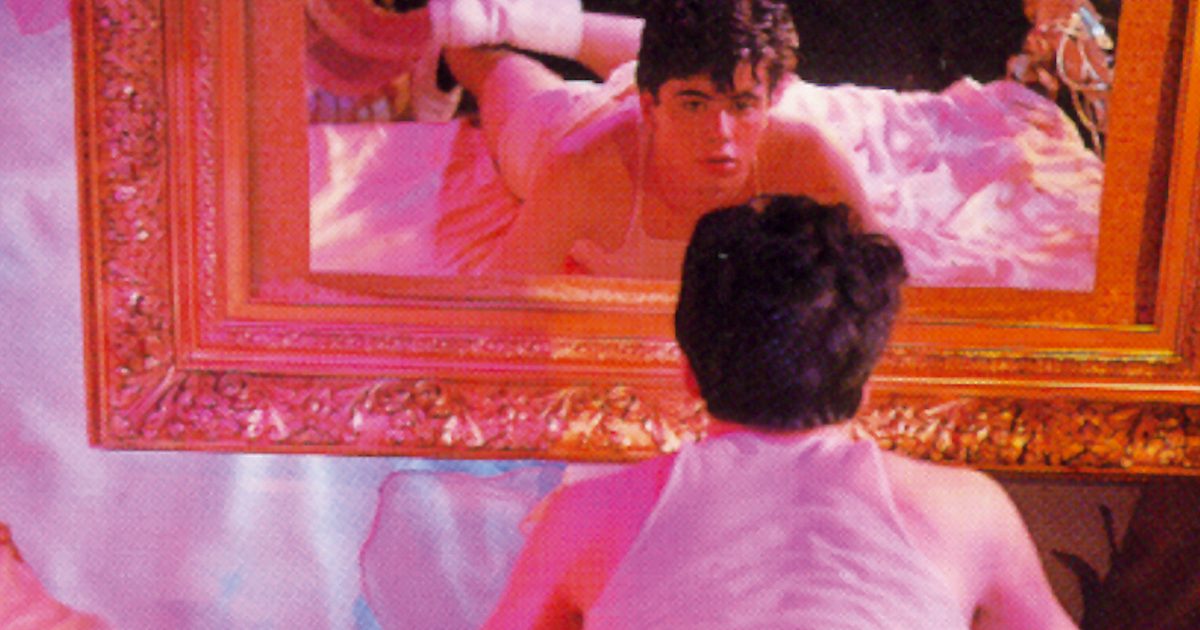
Celebucki, an orphan raised by a karate instructor, turned his inherited dojo into an after-hours sex club while secretly working as a reptile smuggler for Hank Molt. Alongside fellow trafficker Steve Levi, he helped smuggle rare reptiles into the United States by hiding them in clothing and luggage. He loved the adventure of it, and was just one of the characters that populate the story.

A24/Goode Films/HBO
3. Endangered animals were killed to destroy evidence, and the punishment was minimal
Eddie Allen was a stockbroker and all-around “American hero” who fell under Hank Molt’s spell when he entered the illegal reptile trafficking business. When Special Agents Joseph O’Kane and John Friedrich were investigating their operation, Allen took all the reptiles to his place in Pine Barrens, New Jersey, where he unveiled a mass grave, and a horrifying truth was uncovered: He buried over 50 animals alive in an effort to evade authorities. Most of them were endangered.
In return, Molt only got 90 days in jail, Ed Allen was fined $10k, and Steve Levi got nothing.
4. Crutchfield became a reptile kingpin and supplied the snakes for Raiders of the Lost Ark.
After Hank Molt’s arrest, Tommy Crutchfield became the country’s leading reptile dealer, supplying cobras for an Indiana Jones film, bringing alligators onto The Tonight Show with Johnny Carson, and thriving in a booming trade where, as he put it, people were “trading snakes for Rolexes.”
5. One reptile smuggler betrayed another by murdering a massive amount of an endangered species
Tommy Crutchfield was living the high life, and Hank Molt was seething. Every attempt he made to get out from under Crutchfield was met with a roadblock of Crutchfield’s own making, pushing their rivalry to a breaking point.
When federal investigators closed in on Crutchfield over a group of endangered Fiji iguanas, rival Molt saw what he called “a way I can really pop Tom.” Molt offered to help Crutchfield hide the animals, but instead Molt killed the iguanas, preserved them in jars, and kept them in his car “for a rainy day.” He later turned the evidence over to U.S. Fish and Wildlife, helping prosecutors build their case against Crutchfield, who ultimately pleaded guilty and served five months in jail.
Molt tells the story with little or no remorse.
Monsters of God, Thursdays, 9/8c, HBO Max