At time of writing Russell Brand, comedian, actor and now Christian influencer, has just been found guilty of rape and sexual assault and sentenced to a10year custodial sentence. Around the same time, comedian/children’s author David Walliams lost his legal bid to prevent news organisations from publishing allegations of his “inappropriate sexual activities with alarge number of girls and young women” and ablistering account followed in The Guardian. In the UK both these cases have hit the headlines in tabloids and broadsheets alike, accompanied by much hand-wringing about how men like Brand and Walliams got away with it in plain sight for solong.
Into this maelstrom comes Prima Facie (meaning ‘on the face of it’), abig screen version of Suzie Miller’s one-woman play that debuted in 2019 and went on to win star Jodie Comer both an Olivier and aTony. Alawyer turned playwright, Miller adapts her own work for the screen, trading in the inherently theatrical conceit for amuch more naturalistic approach. It’s ashame then that even as this story remains grimly relevant this expanded interpretation loses the raw intensity and irreverent playfulness of the original production at the expense of the central character.
Get more Little WhiteLies
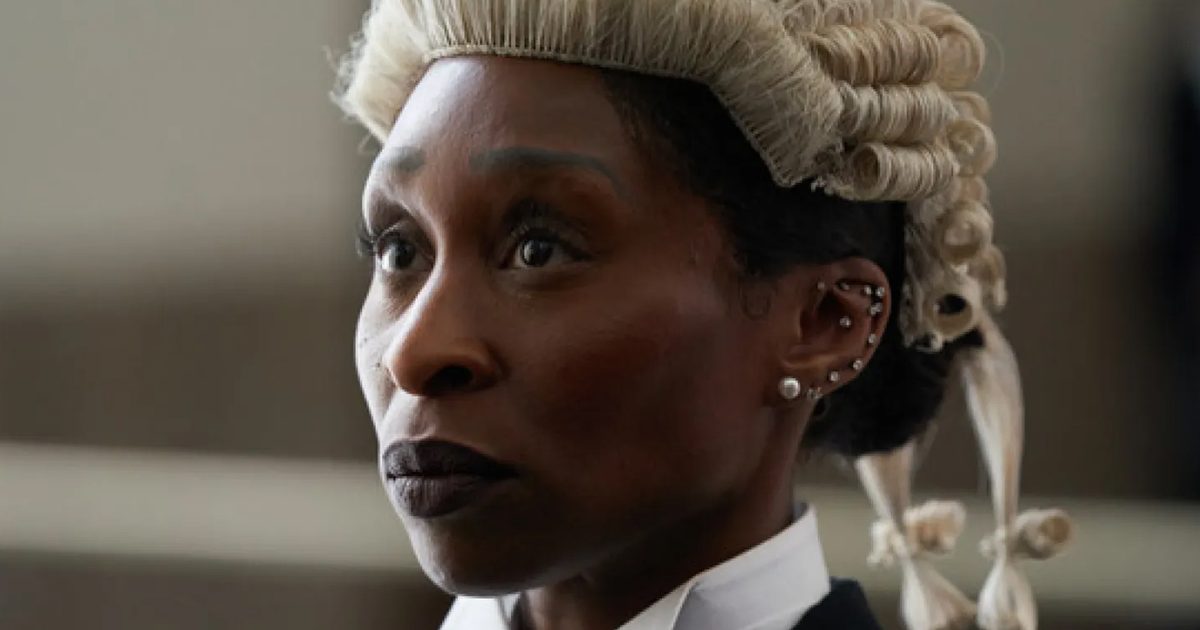
Tessa (Cynthia Erivo) is abrilliant young defence barrister rising through the ranks in the London legal sphere. The film opens with her striding into the Old Bailey, avoiceover comparing her fellow barristers to thoroughbreds, close ups of their flicking ponytails and neat black shoes intercut with flashes of ahorse’s tail and hooves. The sound of racehorses thundering around atrack grows louder as Tessa calmly obliterates awitness; acase is simply agambit to be won or lost. She defends men accused of sexual assault by picking holes in victims’ testimonies, implying they were too drunk to remember what happened and that the perpetrator could reasonably have assumed their consent.
We see the different roles Tessa has to play: that of the invulnerable hotshot barrister exceeding the expectations of the public school boys around her; the dutiful eldest daughter of aworking class family, and finally awoman exposing her vulnerability by opening herself up to aromance with fellow barrister Julian (Daniel Ings). But her sense of self is shattered when Julian rapes her soon after they have consensual sex, and she comes face to face with the injustice of the legal system and the protections that men like Julian are afforded.
This iteration of Tessa as aBlack woman within this almost exclusively white world of entitlement and prestige is the most interesting change from stage to screen. Wisely, director Susanna White and Miller let this fact speak for itself, illustrating Tessa’s shifts in self-image and the desire to assimilate by having her change wigs throughout the film, juxtaposing agrey barrister’s wig – that symbol of institutional power – against long, ultra-feminine auburn waves and finally amore natural look.
Although Cynthia Erivo’s performance is unsurprisingly strong overall, in the final third of the film Tessa is more of amouthpiece than acharacter and she feels eroded by the needs of the story. Aside from that equine opening the filmmaking is unimaginative and, fatally, the score is very overbearing, with another Max Richter piece (mercifully not ‘On the Nature of Daylight’ yet again) utilised at crucial moments and which dilutes the emotional impact. The overall message, that the justice system so rarely serves survivors of sexual violence, is of course essential, and perhaps the fact that it took so long for Russell Brand to be charged suggests didacticism is avalid approach. But here the storytelling suffers and Erivo seems adrift in her own film, struggling to cling on to this complex, contradictory woman.