As prediction markets like Kalshi and Polymarket are increasingly being used for sportsbetting, athletes are warning of the negative and even violent consequences of these platforms on players.
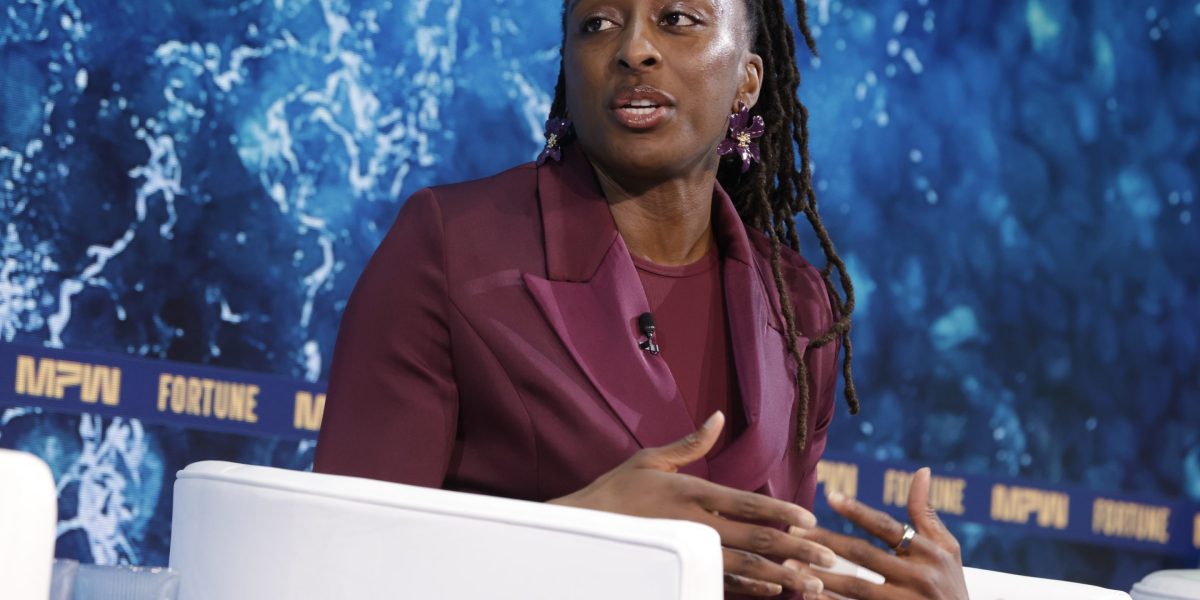
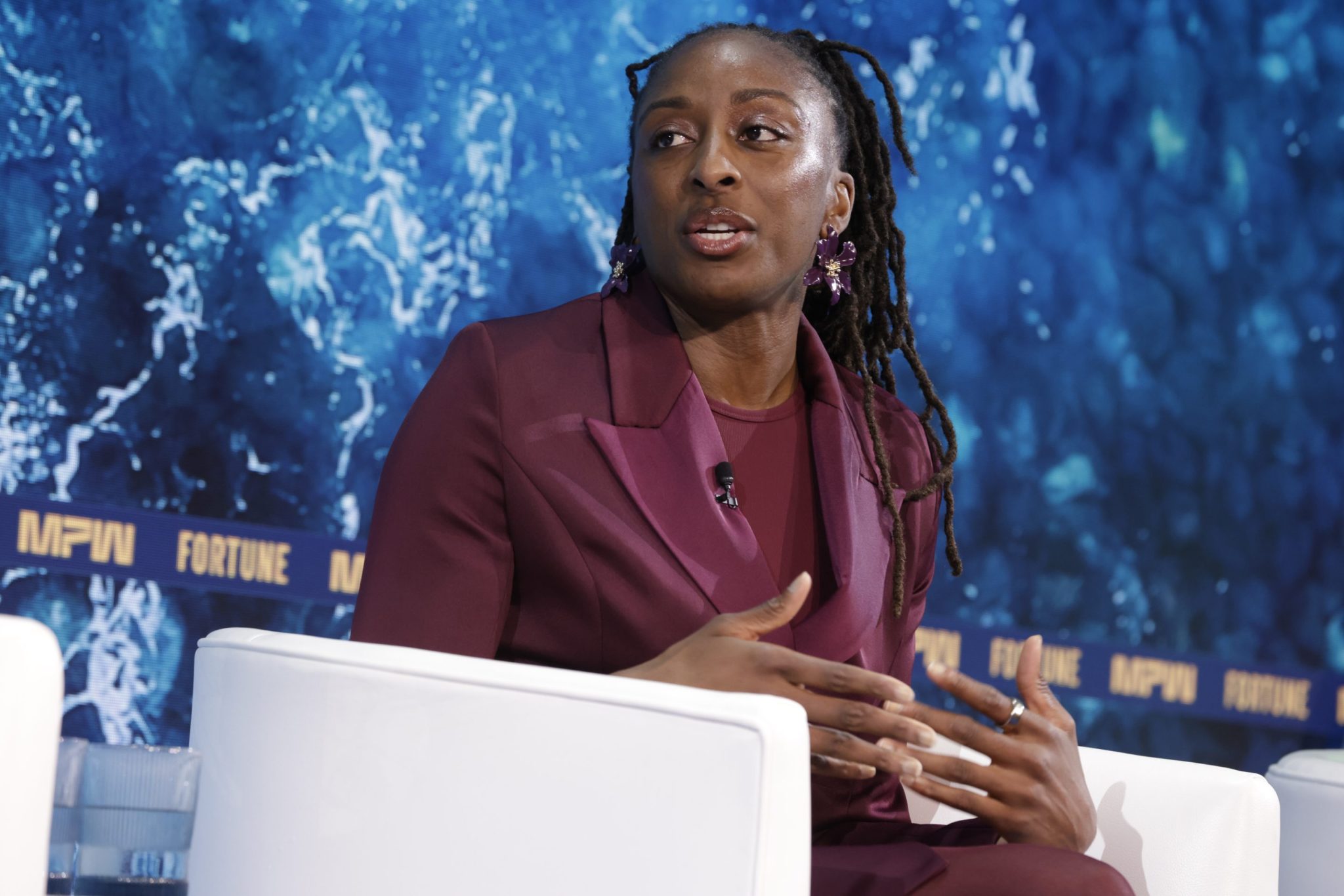
At the Fortune Most Powerful Women Summit in Santa Barbara, California on Tuesday, Nneka Ogwumike, former Los Angeles Sparks forward, 2016 MVP, and 11-time All-Star in the league, said prediction markets are having a clear adverse impact on WNBA players.
“It’s not a safe place for athletes,” Ogwumike told Most Powerful Women editor Emma Hinchliffe. “I don’t think I ever want to say that something is outrightly bad unless it absolutely is, but players are definitely having a hard time dealing with the vitriol that comes with prediction markets as it relates to our performance.”
Prediction markets have emerged as an alternative and supplement to online sportsbooks because they are classified as a financial exchange, rather than gambling platforms, allowing them to bypass regulations and restrictions. Last week, both Kalshi and Polymarket hit new records, according to Dune Analytics data, reaching a combined weekly volume of $22.2 billion as a result of NFL and NCAA-bolstered trading volumes.
College athletes are reporting harassment associated with sportsbetting. The 2025 NCAA Growth, Opportunities, Aspirations and Learning of Students in College study found more than have of Division 1 men’s basketball players reported social media abuse based on their on-court performance, and 46% said the highest rate of negative or threatening messages were from someone who placed a bet on a game they played in.
On Tuesday, both the NBA and WNBA announced a responsible gaming campaign, partnering with National Council on Problem Gambling (NCPG) to educate fans about sports betting risks. Ogwumike said more efforts are required to mitigate abuse of players related to sports betting.
“There’s been a lot of safety issues and concerns that haven’t necessarily been publicly displayed,” she said. “Through the [players association] and through the WNBA, there’s resources that are available to try and mitigate those things, but it doesn’t mean that it stops players from experiencing things that could potentially and have potentially affected their performance.”







:quality(85):upscale()/2026/10/16/690/n/1922564/f5317cd26ad243d55bfcc1.48583365_.png "The Best Sunglasses For Women in Trending Fall Styles")
:quality(85):upscale()/2026/10/14/001/n/1922564/314d528b6ad00a0b16f236.94960813_.png "19 Iconic Halloween Costumes to Inspire Your Plans – Starting at")