The Duffer Brothers wrapped up the final adventure of Stranger Things with a bang. But there’s always another campaign waiting ahead, as Dungeons and Dragons fans would say.
Stranger Things took a lot of inspiration from the infamous Montauk Project — a conspiracy theory alleging that the US government was conducting secret experiments at the Montauk Air Force Station.
But there are more such riveting cases from the ’80s that caused mass hysteria, and some of them sound so convincing they must be true.
The Stranger Things universe has already played with secret labs, psychic kids, and Cold War paranoia.
A spinoff has the perfect excuse to dive even deeper into the rabbit hole — and these five conspiracy theories would fit Hawkins like a cursed glove.
1. The Satanic Ritual Abuse (SRA) Epidemic
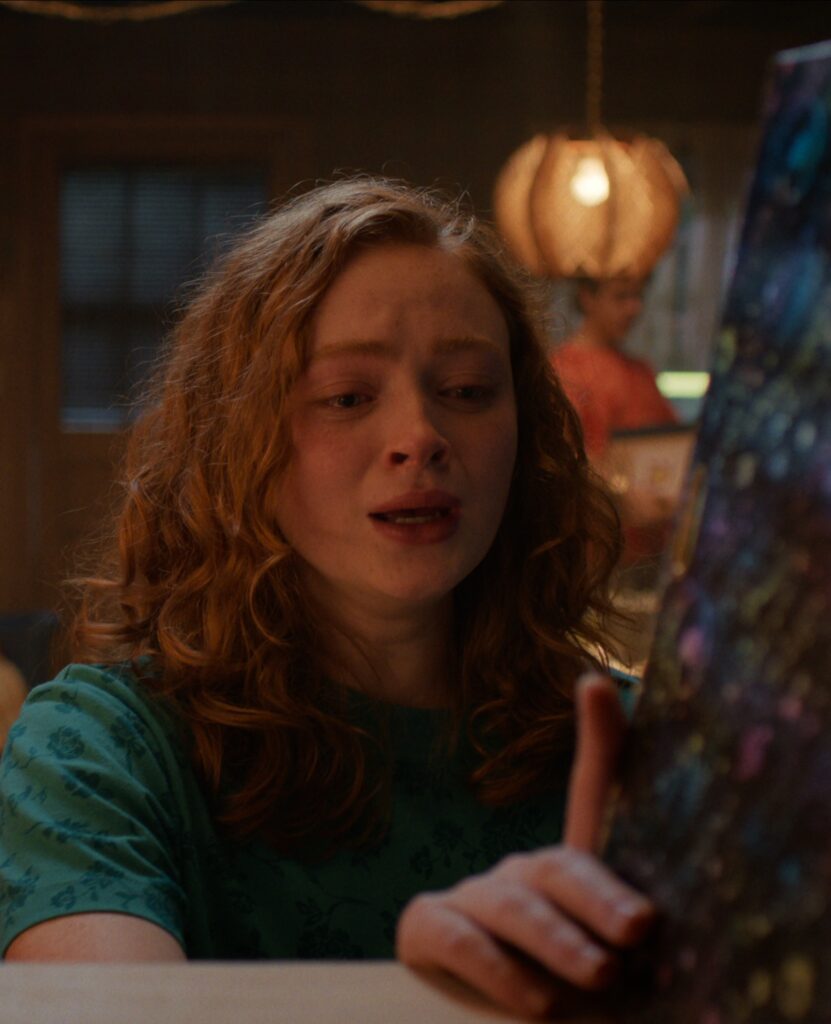
Stranger Things has always flirted with the real‑world Satanic Panic that gripped America in the 1980s, when unsubstantiated claims of Satanic ritual abuse in daycares and small towns spread like wildfire.
A spinoff could finally tackle that moral hysteria head‑on. Imagine a new town where every Dungeons & Dragons session, heavy metal tape, and weird kid in a denim jacket becomes “evidence” in a witch hunt.
Parents, churches, and local politicians would turn on their own children, convinced a hidden cult runs everything from the PTA to the police.
The beauty (and horror) here is the ambiguity. Are there actually dark rituals happening in the woods, or is something more mundane and human exploiting the panic?
A Stranger Things spinoff could use SRA conspiracies to ask who the real monsters are: the supposed cultists in the shadows, or the adults willing to destroy lives chasing a devil they invented.
2. Nostradamus’ Predictions
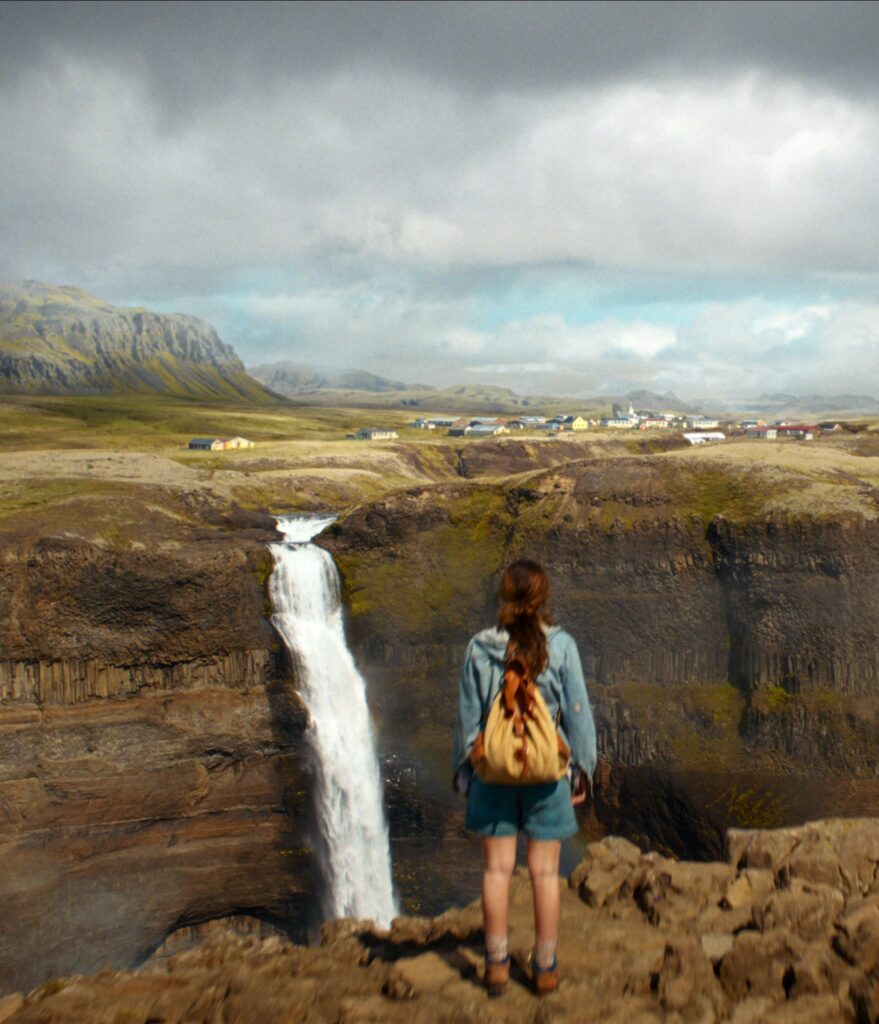
Nostradamus’ vague, eerie quatrains have been blamed — or credited — for “predicting” everything from Napoleon and Hitler to World War II and 9/11, usually with the benefit of hindsight and a lot of creative reading.
In a spinoff, those prophecies could become the obsession of one character who is absolutely convinced their town sits at the heart of some apocalyptic verse.
Maybe a local radio host, a doomsday preacher, or a teen genius starts mapping every bizarre event to a Nostradamus line, building a cult‑like following as strange phenomena escalate.
The fun twist is that in a Stranger Things‑style world, they might not be entirely wrong.
Government experiments, interdimensional leaks, and psychic visions could accidentally line up with those old French riddles, making coincidence feel like destiny.
The spinoff could play a wicked game with the audience: are these “prophecies” actually pointing to the Upside Down, or is everyone just forcing meaning onto chaos because being scared feels safer than admitting no one is in control?
3. UFOs, Roswell, and Area 51

The Roswell incident in 1947 — and the later belief in a government cover‑up involving crashed saucers and dead aliens—basically built the modern UFO mythos.
Tie that into a Stranger Things spinoff, and suddenly all those weird lights in the sky over small‑town America start to look a lot less like natural phenomena and a lot more like test flights… or something worse.
Maybe the spinoff follows a town near a mysterious desert facility that definitely is not called Area 51, where locals keep seeing “weather balloons” that move like they’re looking back.
The show could lean into the real history: classified projects like Project Mogul, where secret surveillance balloons actually were covered up, leaving just enough truth to feed the alien rumors.
In the Stranger Things universe, maybe those balloons are measuring more than Soviet nukes — they’re tracking breaches between dimensions, failed portals, or creatures that don’t belong here.
The conspiracy nuts muttering about Roswell might be closer to the truth than anyone wants to admit, just not for the reasons they think.
4. The Philadelphia Experiment
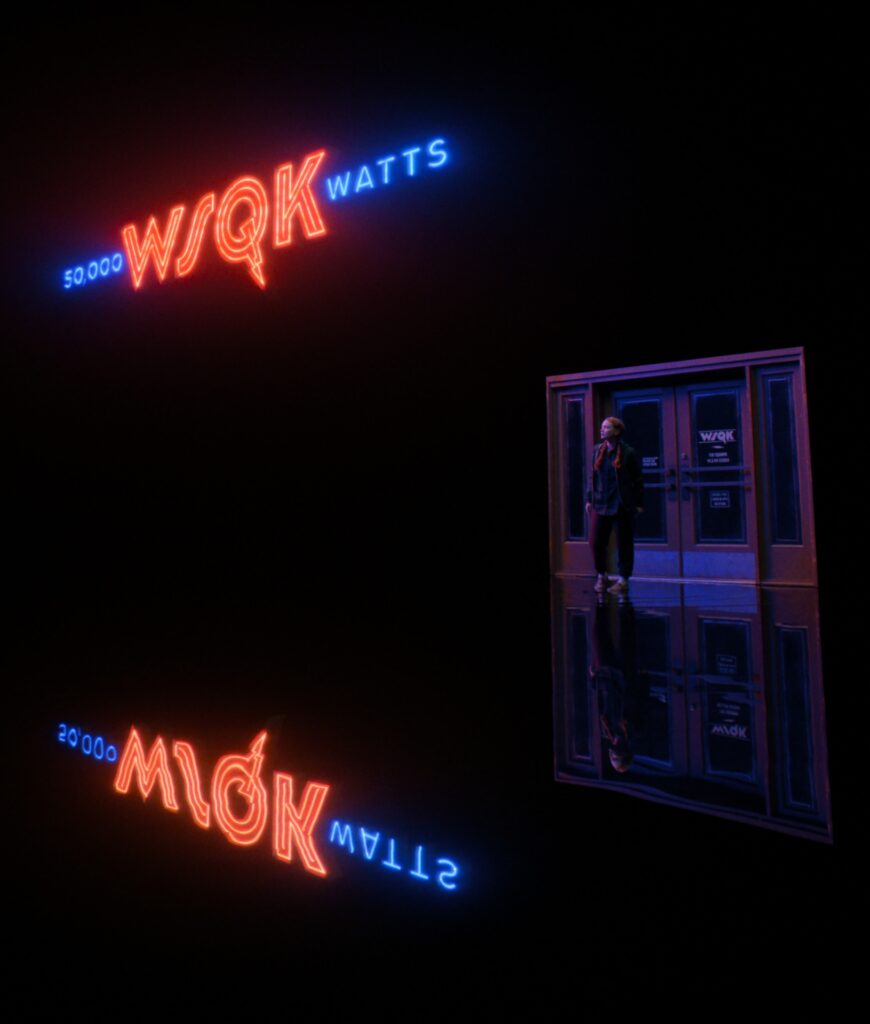
If you’ve ever heard the story about a Navy ship that supposedly turned invisible, teleported, and fused sailors into its own metal hull, you’ve already met the Philadelphia Experiment conspiracy.
Allegedly conducted in 1943, the experiment reportedly used electromagnetic fields to hide the USS Eldridge from radar, only for it to vanish from Philadelphia and reappear in Norfolk with nightmarish side effects.
Officially, it’s been debunked and chalked up to misremembered degaussing tech and tall tales — but a Stranger Things spinoff doesn’t have to play by official rules.
In this world, that experiment could be the ancestor of everything Hawkins Lab tried and failed to control.
A spinoff could follow a retired sailor, a surviving technician, or a descendant who discovers that whatever happened to that ship is happening again — this time on land, ripping holes in reality itself.
Doors open where walls should be, people glitch out of existence, and time behaves like a broken videotape. Suddenly, the “myth” of the Eldridge looks less like a hoax and more like an early, catastrophic test of the same forces that gave us the Upside Down.
5. Project MKUltra
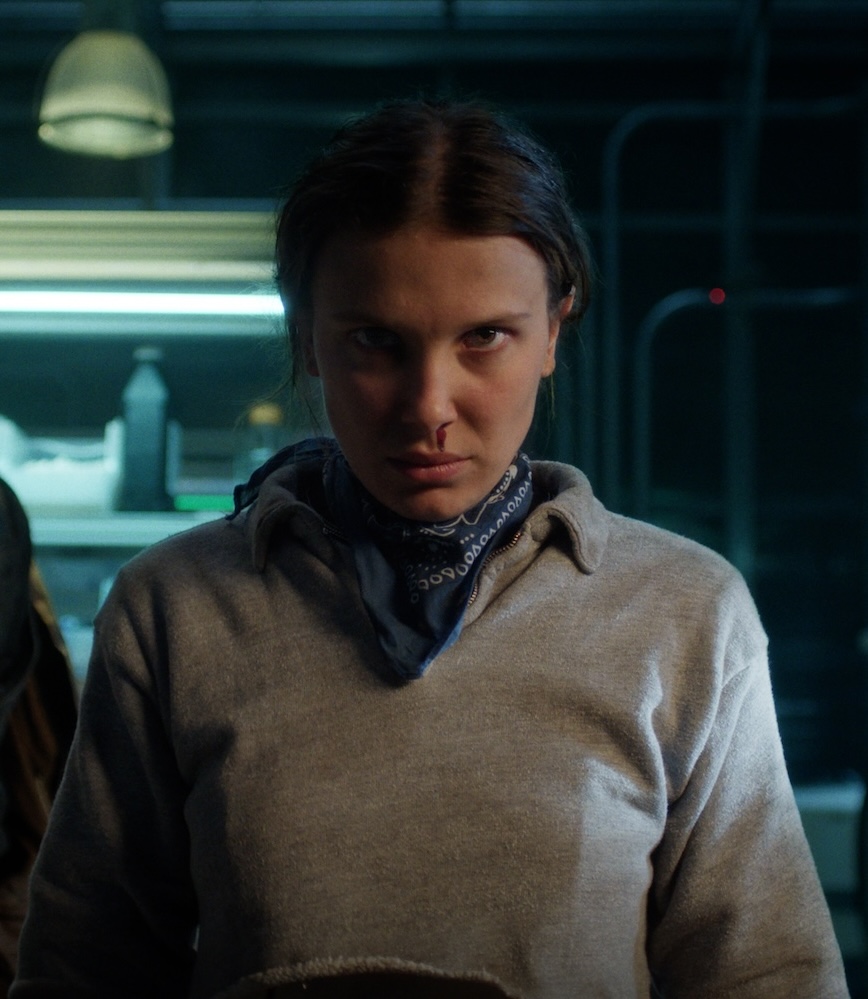
Stranger Things already nodded to MKUltra — the CIA’s real, illegal program that dosed unwitting subjects with LSD, used electroshocks, hypnosis, and sensory deprivation, all in the name of mind control.
A spinoff could dig much deeper into that rot.
Instead of just one lab, imagine a network of front organizations: colleges, hospitals, even summer camps where kids are “treated” for behavioral issues but actually pushed to the edge of their sanity.
The show could play with the most chilling part of MKUltra: so many participants never knew they were subjects, and many records were destroyed.
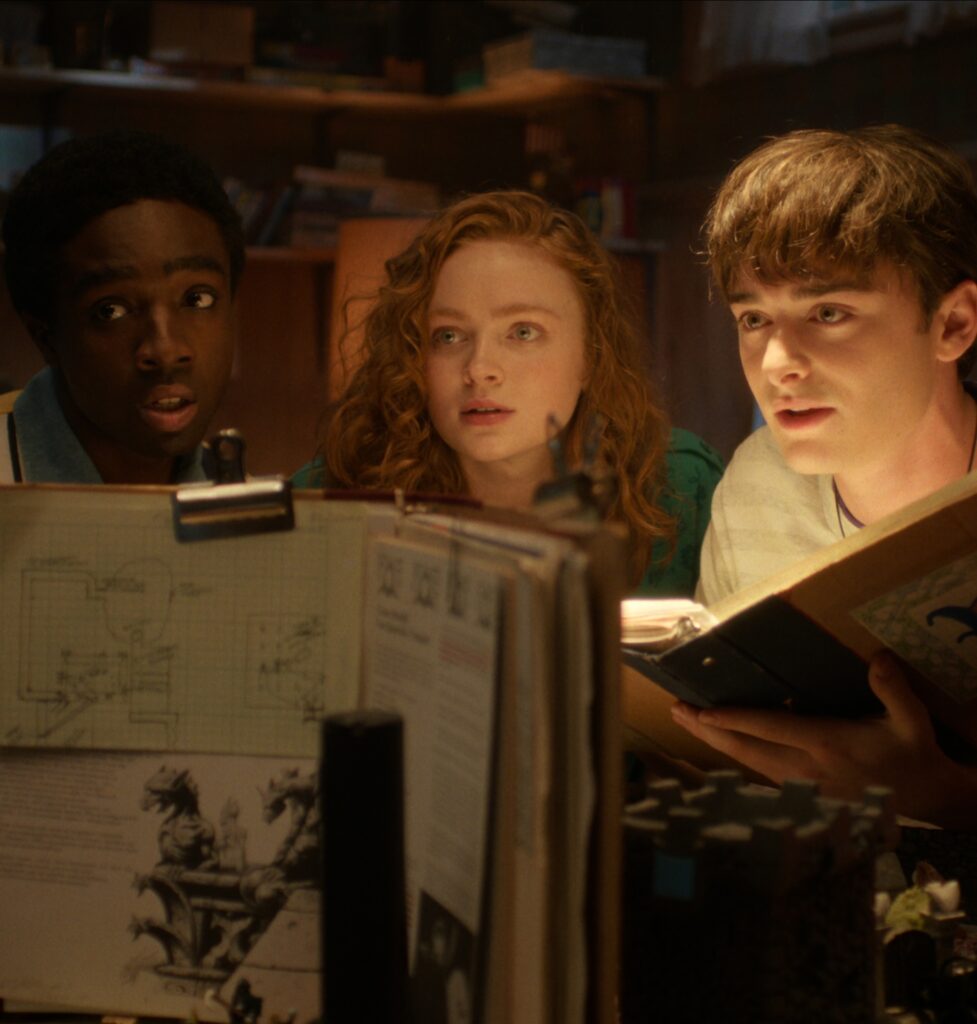
That’s a perfect setup for a spinoff protagonist who keeps losing time, shares dreams with strangers, or manifests abilities that feel less like gifts and more like scars.
Maybe Hawkins was just one branch.
Maybe there are dozens of Elevens out there, each shaped by different MKUltra offshoots — and the spinoff finally pulls the curtain back on the larger, uglier machine that built them.
Which of these conspiracies do you most want the Stranger Things spinoff to blow wide open — and what wild theory would you add to the list?
Drop your picks (and your strangest fan‑brain connections) in the comments.
-
There are still more dungeons left to explore and dragons to fight, if Stranger Things goes the spinoff route!
-
History isn’t meant to be liked; it’s meant to be learned from. There are seven excellent TV shows that remind us of that.
-
Our Characters of the Week return with Doc and Brilliant Minds devastating us and Tehran and The Hunting Party ‘standouts. Check it out!






.png "15 Songs You Should Listen to Now")